2026-08-24 ·
How SR22 Coverage Affects Premiums on I-40 Commuters
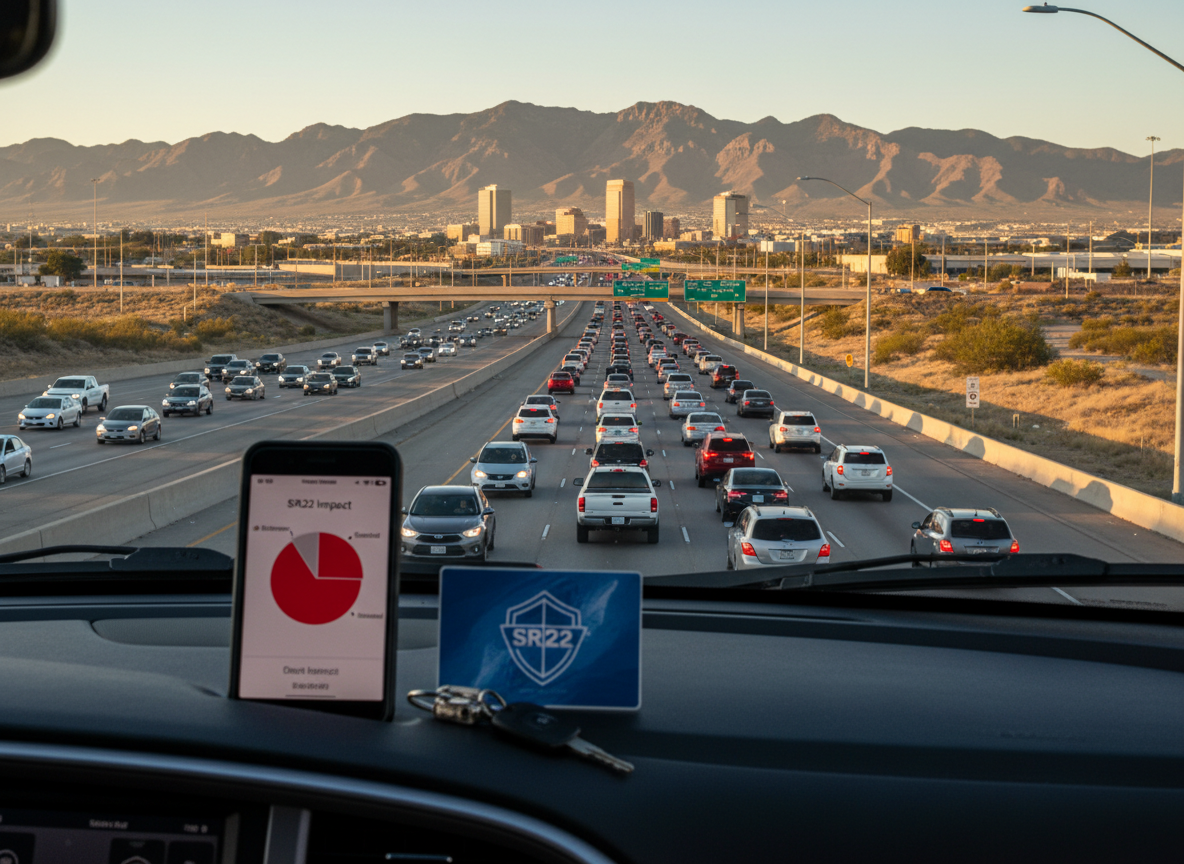
SR22 coverage raises premiums for I-40 commuters by requiring insurers to file proof of financial responsibility that adds to base rates based on individual records and the demands of routes crossing Bernalillo County.
SR22 Requirements and Premium Adjustments for Daily Drivers
Commuters traveling I-40 through Nob Hill, University Heights, and Northeast Heights face premium increases tied to the mandatory three-year filing period after violations. The filing itself does not set a fixed surcharge but signals higher risk to carriers, who adjust rates according to mileage on the interstate and exposure in high desert conditions with hot summers that increase tire wear and accident likelihood. Drivers passing Petroglyph National Monument or the Sandia Peak Tramway area often see adjustments reflect terrain-related factors such as wind gusts and elevation changes that affect vehicle control. SR22 Insurance policies must maintain continuous coverage, and any lapse triggers further rate reviews from carriers serving the corridor between Rio Rancho and Los Lunas.
Route-Specific Factors on I-40 Through Albuquerque
I-40 sections near Downtown, Barelas, and South Valley carry distinct risk profiles that influence how SR22 Insurance affects premiums. Morning and evening commutes through these neighborhoods encounter merging traffic from North Valley and Uptown, plus seasonal dust that reduces visibility during mild winters. Carriers evaluate these patterns when calculating the added cost of the SR22 filing, especially for drivers logging consistent interstate miles between Albuquerque and Santa Fe. The high desert climate produces rapid temperature swings that stress older housing stock vehicles common in University Heights, prompting insurers to weigh maintenance history alongside the filing requirement. Local operators note that routes near Old Town Plaza see more stop-and-go patterns that elevate claim frequency compared with straighter stretches toward Los Ranchos.
Owner Versus Non-Owner SR22 Options for Commuters
Commuters without a personal vehicle can meet court-ordered requirements through Non owner SR22 Insurance while still covering I-40 travel in borrowed or rented cars. This option typically carries lower base premiums than owner policies because it excludes physical damage coverage, yet the SR22 filing still elevates the liability component. Bernalillo County drivers who split time between personal and shared vehicles often compare both structures to match actual usage on the interstate. The 24/7 availability of local agents supports quick adjustments when commute patterns shift due to construction near the University of New Mexico or events at the Albuquerque BioPark.
Practical Steps After a Filing on Central Avenue Routes
Drivers who receive a speeding ticket on Central Avenue can review next actions in SR22 Insurance Steps After a Speeding Ticket on Central Avenue to understand how the filing integrates with existing policies. Maintaining the required coverage for the full period prevents additional premium spikes when renewing or switching carriers. Commuters should verify continuous coverage during moves between neighborhoods such as Uptown and North Valley, where address changes must reach the insurer promptly to avoid gaps. What to Expect During the Three-Year SR22 Period in Albuquerque outlines record-keeping practices that keep rates stable for I-40 users facing the high desert's variable weather.
Long-Term Rate Management for Bernalillo County Drivers
After the initial filing period, premiums may stabilize if the driver maintains a clean record on I-40 commutes through areas like Los Lunas or Rio Rancho. Carriers review the full history, including exposure to high desert conditions that accelerate brake and suspension wear on frequent interstate runs. Albuquerque residents benefit from comparing quotes that account for actual mileage rather than estimated figures, especially when routes pass landmarks such as the Sandia Peak Tramway. Consistent payments and avoidance of further violations allow the SR22 requirement to drop at the end of the mandated term without lingering surcharges.